Enhance Your Outdoor Living: Modern Deck Designs From Skilled Craftsmen
Innovative deck designs can notably transform a home's exterior functionality and appeal. Expert contractors appreciate the necessity of balancing aesthetics with function. From selecting the right materials to incorporating essential features, every detail matters. Residents are steadily eager about designing areas ideal for entertainment and relaxation. As they explore various options, the potential for transformation comes into focus, inspiring deeper thought about how to achieve their dream outdoor oasis.
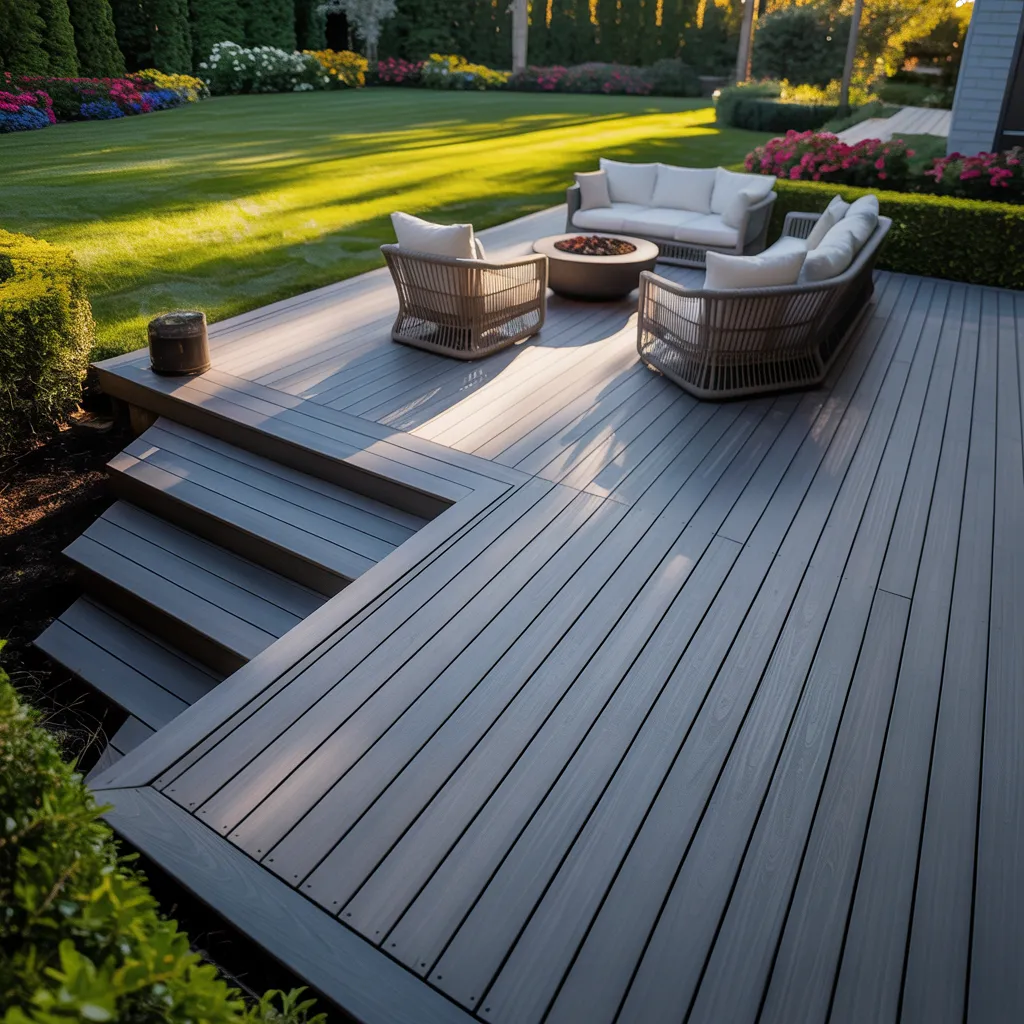
Selecting the Best Materials for Your Ideal Deck
When selecting materials for a dream deck, homeowners often evaluate both appearance and longevity. The selection of materials heavily affects the appearance and durability of the deck. Wood, particularly cedar and redwood varieties, delivers a traditional aesthetic with natural allure but requires regular maintenance to prevent rot and weather damage. Composite materials, on the other hand, provide a contemporary option, merging wood components and plastic materials for a easy-care alternative that withstands discoloration and splitting.
Aluminum and PVC are gaining popularity because of their durability and ability to withstand the elements, making them ideal for homeowners seeking minimal upkeep. Color and texture serve a vital role in enhancing visual appeal, as homeowners aim to create a cohesive look that complements their outdoor space. At the end of the day, picking the right materials means striking a balance between individual style and functionality, resulting in a deck that is both aesthetically pleasing and long-lasting.
Ways to Choose a Modern Deck Style That Inspires
Selecting a modern deck style calls for thoughtful evaluation of spatial needs, material selections, and prevailing design trends. Through assessing the existing space, homeowners can determine the best design and features to improve usability. Investigating different materials and staying attuned to evolving trends guarantees the deck not only enhances the home but also promotes creativity and pleasure.
Analyze Your Space Needs
To create a modern deck that truly inspires, it's vital to first evaluate the space at hand. Homeowners are encouraged to start by gauging the size of their backyard, taking note of any obstacles such as trees, slopes, or existing structures. This assessment helps in determining the scale of the deck, ensuring it complements the environment without overwhelming it. Moreover, reflecting on the desired function of the deck—whether for entertaining, relaxation, or gardening—may shape its overall design and arrangement. Recognizing how light and shadow play across the area is equally important; it determines the ideal positioning and the overall mood. At its core, a detailed analysis of spatial considerations sets the stage for a purposeful and beautiful contemporary deck.
Investigate Material Possibilities
As they evaluate material options, homeowners can significantly impact the overall aesthetic and durability of their contemporary outdoor deck. Picking the ideal materials is similar resource crucial for creating a visually appealing and enduring outdoor space. Common options feature composite decking, which merges natural wood fibers and recycled plastics for a low-maintenance solution that holds up against decay and discoloration. Natural wood, such as cedar or redwood, provides classic elegance but demands consistent upkeep to avoid weather damage. Additionally, aluminum decking offers a polished, modern aesthetic and is exceptionally durable against corrosion. Homeowners should also consider eco-friendly options, like reclaimed wood or responsibly sourced materials, to boost their outdoor space's appeal while lowering their environmental impact. In the end, the material decision creates the basis for an welcoming exterior retreat.
Explore Design Trends
Choosing the right materials lays the groundwork for exploring the most current design innovations in modern deck construction. Design professionals prioritize clean lines and minimalist styles, commonly blending natural components like timber and stone. Open-concept configurations stay in high demand, effortlessly merging interior and exterior areas. Tiered decks create separate functional zones, fostering flexibility and purposeful design. Additionally, the use of innovative lighting solutions enhances evening ambience, while environmentally conscious materials highlight a rising emphasis on green living. Color palettes have shifted towards earthy tones and subtle pastels, establishing a serene and tranquil environment. Incorporating intelligent technology, including automated lighting and weather-proof elements, is gaining momentum. By adopting these design directions, homeowners can craft remarkable outdoor retreats that transform their backyards.
Space-Efficient Deck Design Ideas for Small Backyards
How can homeowners maximize their outdoor space when working with a small backyard? Innovative deck designs can transform limited areas into functional retreats. One effective approach is to utilize multi-level decks, which can create distinct zones for relaxation and dining without overwhelming the space. Incorporating built-in seating along the perimeter can provide additional functionality while saving square footage.
One more approach is to consider a corner deck, which utilizes commonly underused areas and can enhance privacy. Foldable or collapsible furniture can also be a smart solution, allowing homeowners to modify their setup as needed.
As a final tip, think about incorporating vertical elements, for example hanging lights or wall planters, to encourage the eye to travel upward, making the space appear larger. By implementing these space-saving strategies, property owners can experience a well-designed and practical outdoor living area without the sense of overcrowding.
Install Built-In Features That Elevate Your Deck's Functionality
Improving deck performance may be accomplished through the incorporation of permanently installed features that address various needs. Integrated seating is a sought-after choice, delivering ease and optimizing space without the need for independent furniture. Moreover, built-in storage solutions, such as storage benches with concealed spaces, can help keep the deck tidy and well-ordered.
An additional functional improvement is the incorporation of a built-in grill or outdoor kitchen, which converts the deck into a gourmet gathering space, great for outdoor gatherings. Furthermore, including planters or vertical gardens not only enhances visual appeal but also fosters a sense of connection with the natural environment.
These features not only enhance usability but also create a harmonious design that merges effortlessly with the existing landscape. By carefully incorporating these integrated elements, homeowners can create a deck that serves as a functional addition to their living environment, tailored to their lifestyle and preferences.
How to Illuminate Your Deck With Accessories
Integrating light fixtures can elevate a deck into a inviting evening retreat. Creative lighting options, complemented by useful enhancements, improve both safety and ambiance. By considering multiple options and configurations, deck owners can establish a elegantly lit outdoor space.
Imaginative Lighting Alternatives
A range of innovative lighting ideas can transform a backyard deck into an enchanting outdoor escape. Fairy lights, hung gracefully above, create a cozy, welcoming setting, well-suited for nighttime entertaining. Solar lanterns, placed strategically around the perimeter, offer a soft radiance while fostering green living. For a modern touch, recessed lighting can be placed in steps or along railings, increasing safety while maintaining elegance. Additionally, accent lighting illuminates architectural features or plants, producing a striking effect. LED tape lights along the edges of the deck give a stylish accent, while portable fire pits light up the space with a comfortable atmosphere. Together, these options empower homeowners to design the lighting on their deck, fostering a serene environment for relaxation and entertainment.
Useful Accessory Suggestions
Thoughtful lighting selections elevate the aesthetic of a outdoor deck, but useful additions can significantly enhance its utility and character. Integrating multipurpose furnishings, such as seating with integrated storage compartments, optimizes space while providing both comfort and storage solutions. Weather-resistant cushions and throws can provide coziness, making the deck a pleasant retreat. Furthermore, adding accent tables featuring built-in coolers allows for easy access to refreshments while entertaining guests. A strategically positioned exterior rug can designate specific zones, establishing a warm and welcoming environment. For individuals who appreciate alfresco dining, a movable grill or open-air cooking island can turn the deck into an outdoor dining destination. These additions not only improve usability but also contribute to a stylish and cohesive outdoor living space.
Safety and Atmosphere Tips
Effective lighting is essential for enhancing both safety and ambiance on a backyard deck. Thoughtful arrangement of lighting fixtures can light up walkways, stairs, and lounging spaces, reducing the risk of accidents during evening gatherings. Contractors suggest installing low-wattage LED options for their long lifespan and efficiency. Decorative lighting, like string lights or lanterns, establishes a cozy ambiance, well-suited for leisure and social gatherings. Adding task-specific lighting near cooking or eating zones ensures usability and security while handling food preparation in the evening. Furthermore, incorporating intelligent lighting controls enables residents to modify intensity and hue, additionally elevating the outdoor space's visual charm. When blending functional illumination with ornamental touches, a beautifully lit deck evolves into an appealing outdoor haven.
Adding Greenery Into Your Deck Design
Though many homeowners concentrate on the construction and components of their decks, integrating greenery can transform an outdoor space into a vibrant retreat. Expert builders recommend incorporating a variety of plants to improve the overall look and establish a peaceful atmosphere. Vertical gardens, hanging planters, and built-in planter boxes can make the most of available space while bringing rich layers of color and texture.
In addition to aesthetic value, greenery can provide natural shade and improve air quality. Opting for locally adapted plants suited to the regional climate guarantees sustainability and reduces maintenance. For a more cohesive aesthetic, property owners can select pots and containers that align with the deck's overall design.
Carefully arranging foliage throughout seating areas improves comfort and simultaneously nurtures a bond with the natural world. By carefully incorporating plants throughout deck spaces, property owners can establish a welcoming environment that fosters a sense of calm and outdoor pleasure.

Frequently Asked Questions
What Steps Should I Take to Maintain My Deck After Installation?
To keep a deck in good condition after installation, routine cleaning is necessary. Applying a sealant each year guards against moisture and ultraviolet damage. Examining the deck for loose boards or nails promotes a safe environment, while addressing repairs in a timely manner extends the deck's lifespan.
What Permits Do You Need for Deck Construction?
Deck building projects commonly require construction permits, that vary from one location to another. Homeowners should consult their local building departments to determine specific requirements, such as zoning regulations, structural codes, and required inspections to confirm compliance with all applicable safety codes.
Is It Possible to Build a Deck on a Sloped Yard?
Certainly, creating a deck on a uneven property is achievable. Even so, it calls for detailed preparation, adequate engineering, and perhaps extra supports to secure stability and safety, in addition to compliance with local building requirements.
What Is the Typical Longevity of a Deck?
Standard decks typically last from 10 up to 30 years, influenced by construction materials, upkeep practices, and environmental exposure. Routine maintenance, such as applying sealant and stain, can greatly extend a deck's overall longevity and resilience.
What Are the Expenses Involved in Deck Installation?
Deck installation costs vary widely, generally falling between $15 and $35 per square foot. Variables that impact the overall price include materials, labor, design complexity, and location, which can significantly affect the total project budget.